AI has become a hot topic in hospitality. For many, it means automation, efficiency, or cost-cutting. But the real opportunity lies elsewhere: AI can help hotels reconnect with the human side of hospitality, making every guest feel seen, valued, and understood.
The Challenge: Maintaining the Human Touch in Complex Operations
In smaller hotels, staff often know guests by name, anticipate preferences, and deliver personalized experiences naturally. In larger hotels, especially luxury properties or resorts, that personal connection can be lost amid operational complexity. Guests check in, stay, and check out, frequently feeling like just another reservation number.
At the same time, hotel teams are juggling multiple operational pressures: managing housekeeping, guest requests, maintenance, and check-ins, often with limited resources. Consistently delivering exceptional service in this environment is a real challenge.
AI as a Human-Centered Tool
The promise of AI isn’t replacing human interaction; it’s empowering it. By analyzing historical data, operational patterns, and guest behavior, AI provides insights that let staff focus on meaningful engagement rather than routine tasks.
Some examples include:
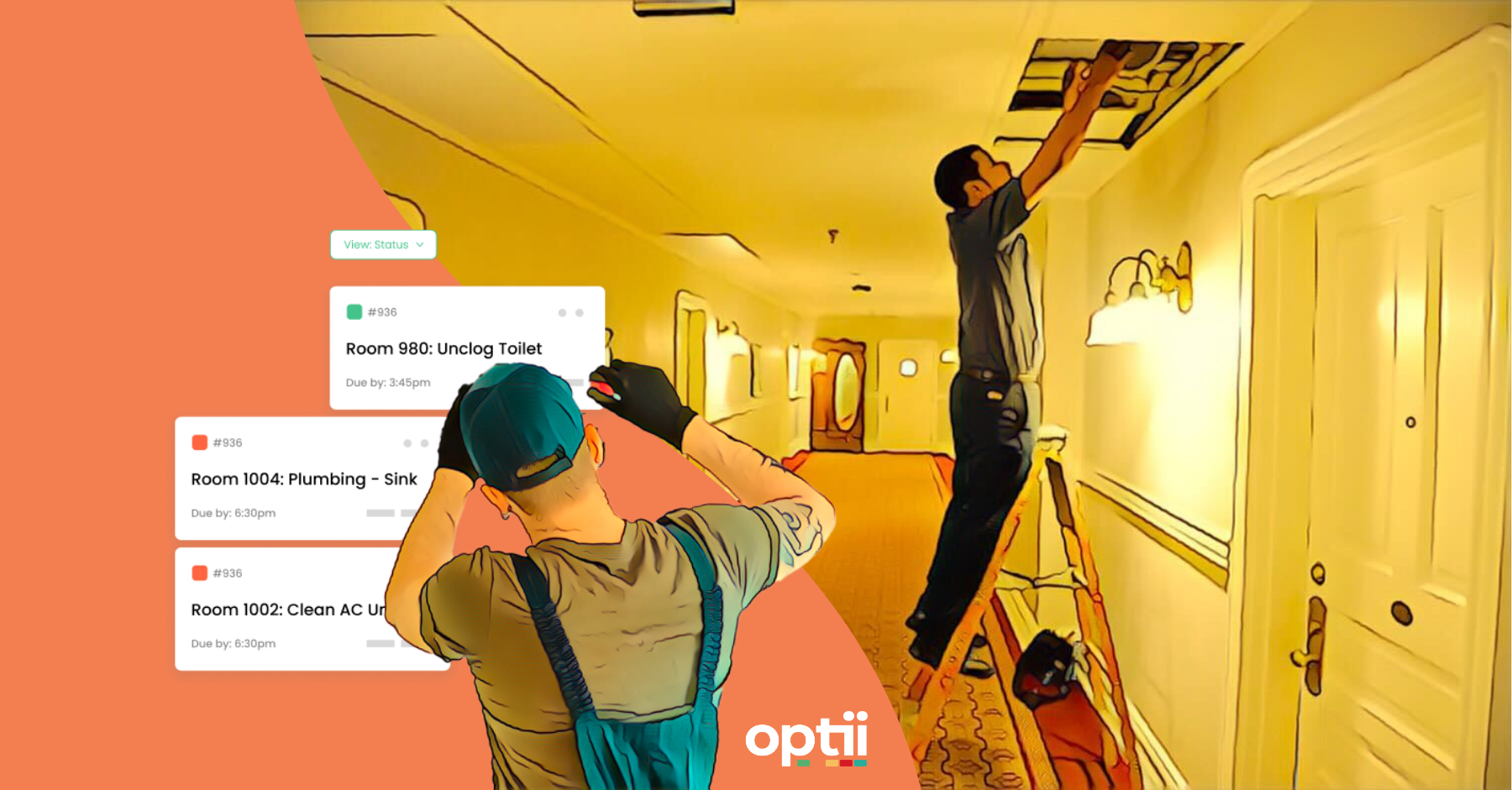
- Smarter housekeeping planning: AI can forecast how long a room will take to clean based on guest type, stay length, and past behavior. This ensures rooms are ready on time, reduces stress for staff, and frees them to focus on guest-facing priorities.
- Proactive service personalization: AI can highlight guest preferences in advance, from extra towels for families to in-room amenities favored by repeat business travelers. Staff can act before a guest even asks, creating moments of delight that feel natural and thoughtful.
- Predictive maintenance and asset care: AI can identify maintenance needs before they escalate, from HVAC servicing to light bulb replacements. Guests experience uninterrupted comfort, while staff spend less time firefighting and more time enhancing the experience.
- Cross-team communication: AI-enabled systems can facilitate real-time, multilingual communication across departments. Housekeeping, front desk, and maintenance teams can coordinate seamlessly, reducing errors and improving internal collaboration.
Efficiency that Enables Connection
AI allows teams to move from reactive operations to proactive service. Instead of spending hours generating reports or manually allocating labor, staff can focus on:
- Engaging with guests personally
- Anticipating needs and preferences
- Creating memorable, human-centered experiences
The impact is clear: AI doesn’t just optimize operations; it gives staff the bandwidth to care more about the people staying at the hotel.
Conclusion
The future of hospitality isn’t about choosing between humans or AI; it’s about combining both. By thoughtfully leveraging AI, hotels can transform operational data into actionable insights, empowering staff to deliver personalized, memorable service that drives loyalty and guest satisfaction.
In a world where technology often feels impersonal, AI can paradoxically help hotels be more human. It frees teams to focus on what truly matters: connecting with guests and making every stay remarkable.
About the Author
Carlo Chancelien partners with hotel leaders worldwide to align operations, people, and technology, enabling teams to run efficiently and deliver exceptional guest experiences.
As Vice President of International Sales at Optii Solutions, he helps executives and management companies scale operations, optimize performance, and make confident, data-driven decisions. With 15+ years in hospitality, Carlo helps bring calm to complex environments without losing sight of the human side of service.
Curious how AI can empower your hotel team? Book a time to speak with Carlo HERE.